 By Nevila Gjata
Transparency and citizens’ access to information in the country’s municipalities has increased, but this increase does not go hand in hand with the keeping of electoral promises by mayors.
This is one of the main findings of the project “40 Promises, 10 Municipalities”, carried out by Faktoje for the year 2025 and supported by the National Endowment for Democracy .
For 2025, 40 electoral promises were monitored, of which only 5 were fully realized, 12 partially, while 23 resulted unfulfilled or postponed without clear deadlines.
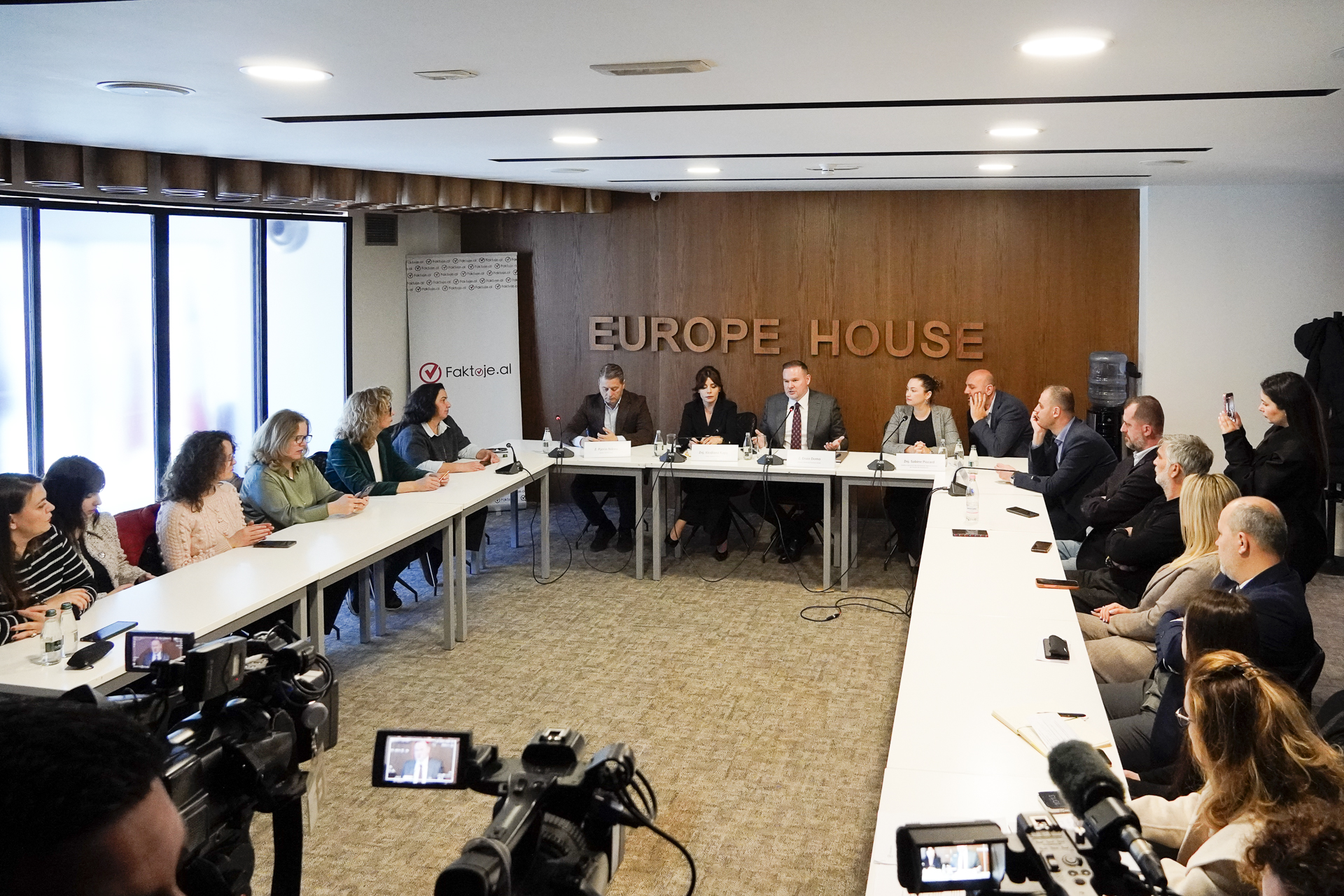
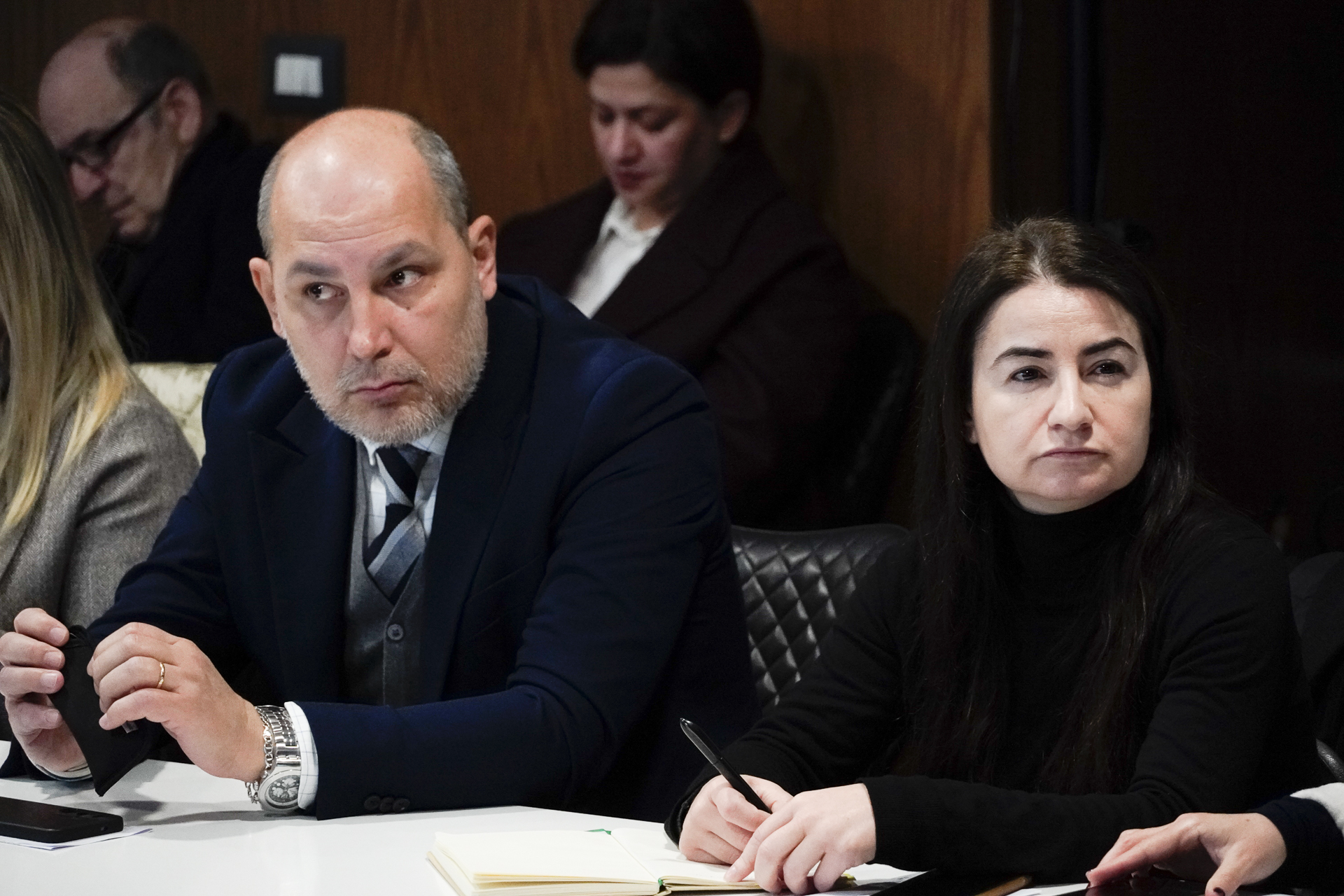
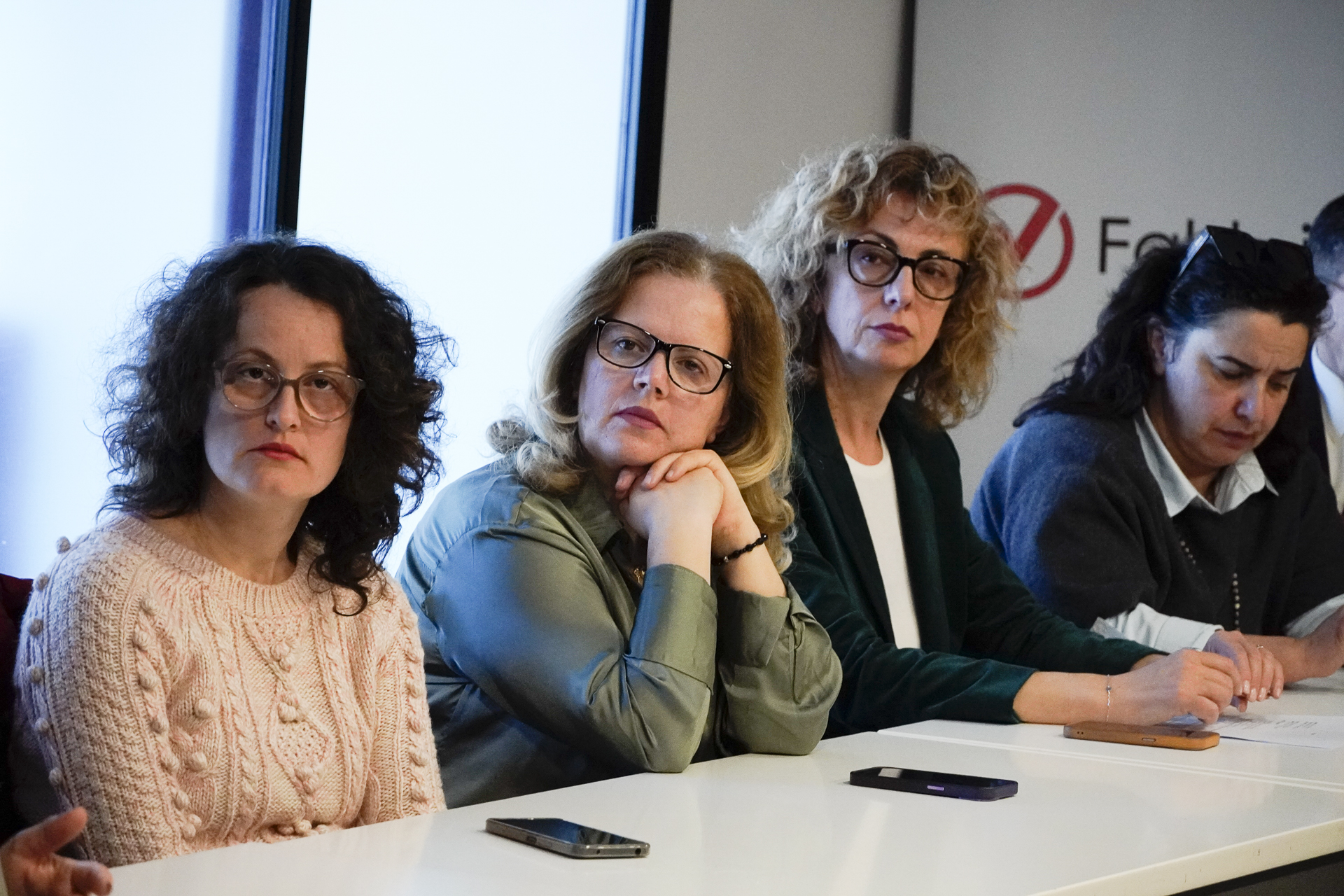
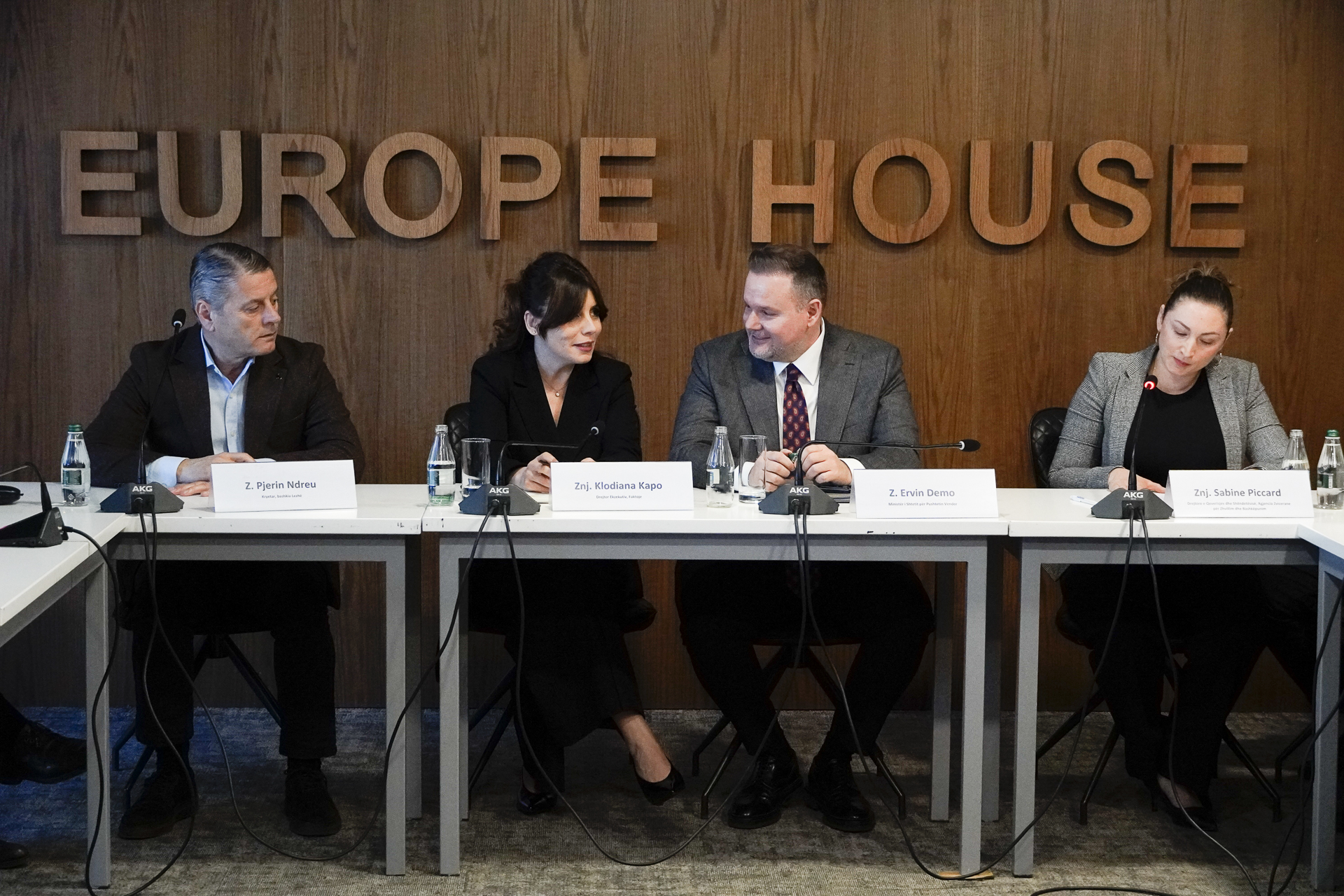
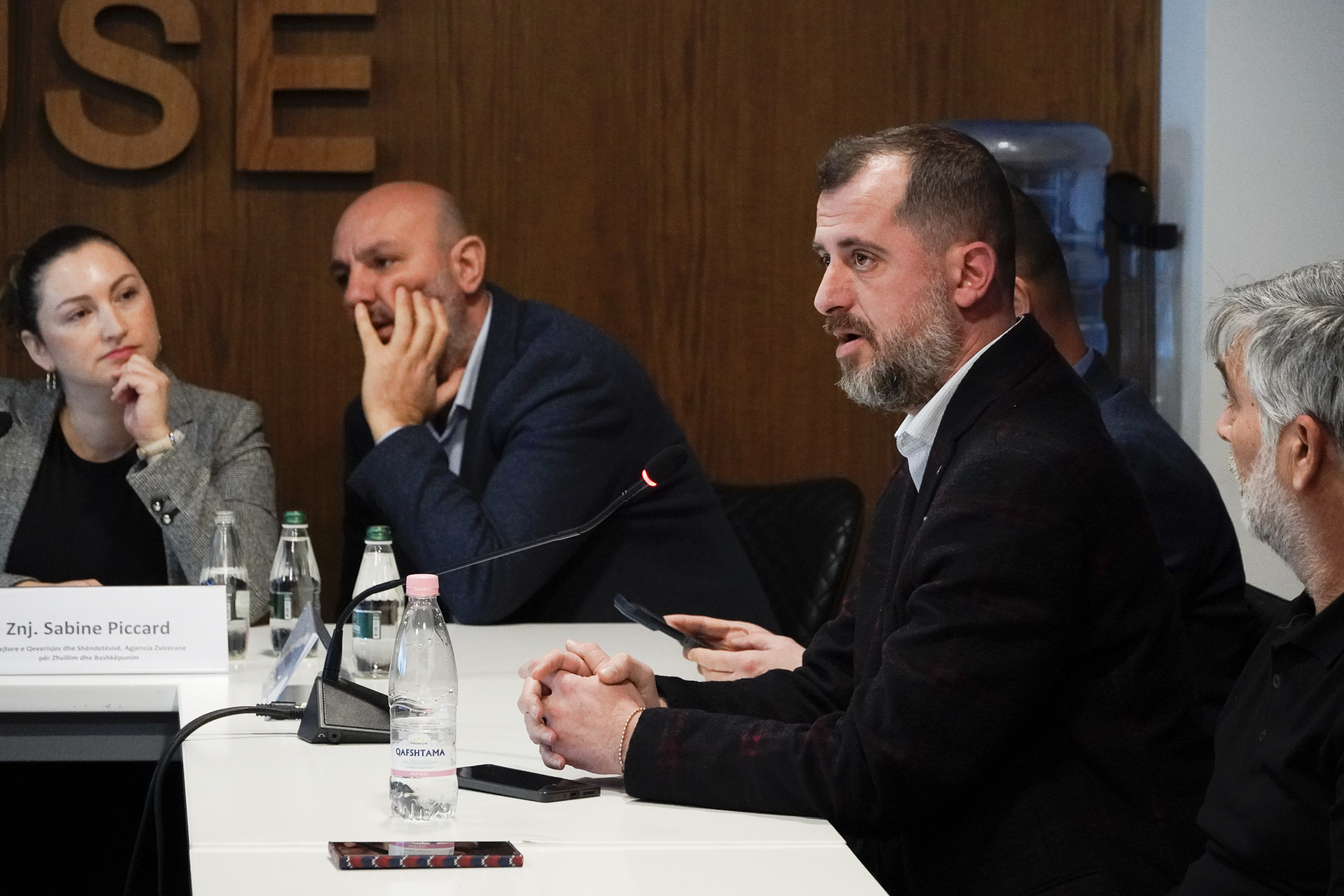
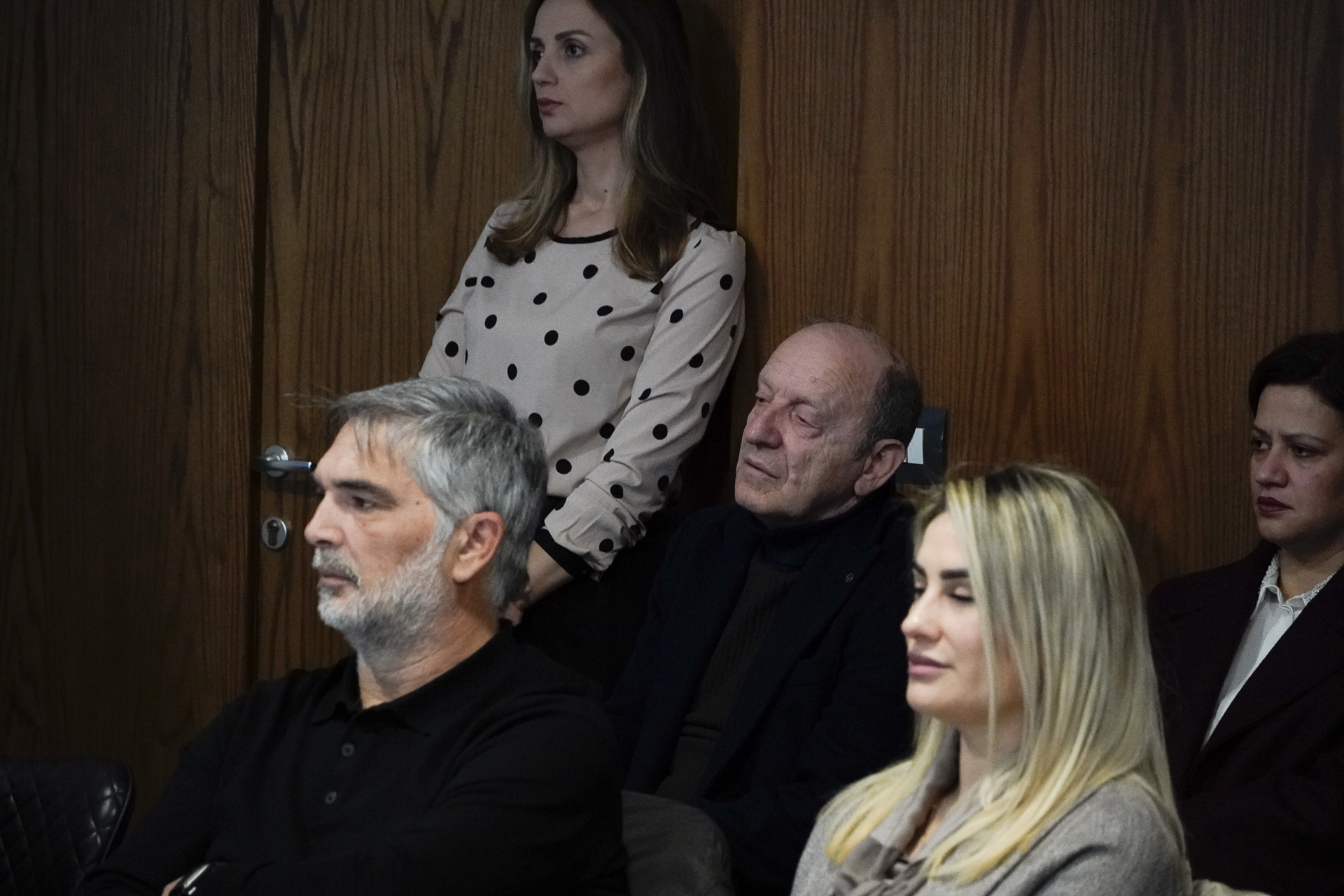
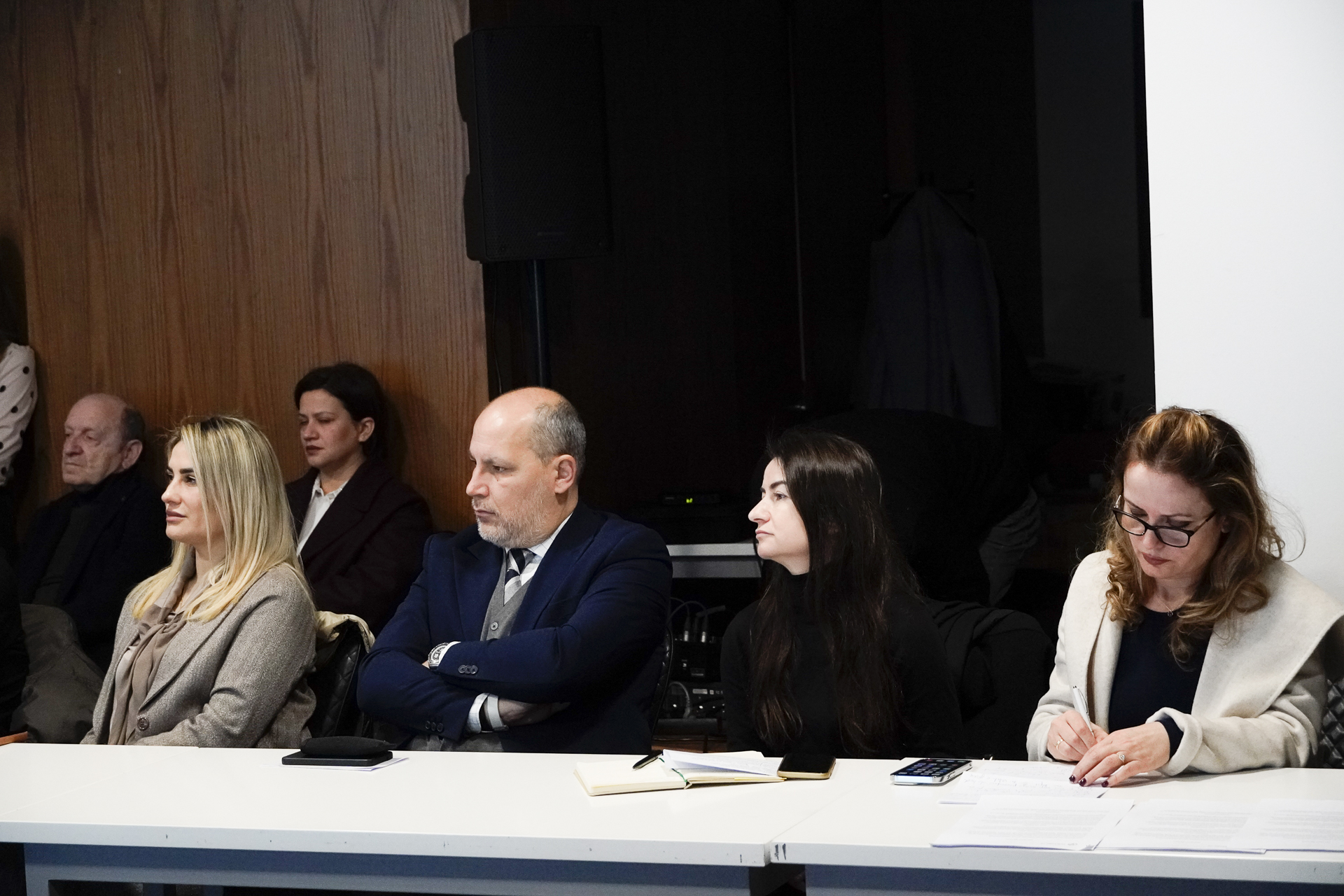
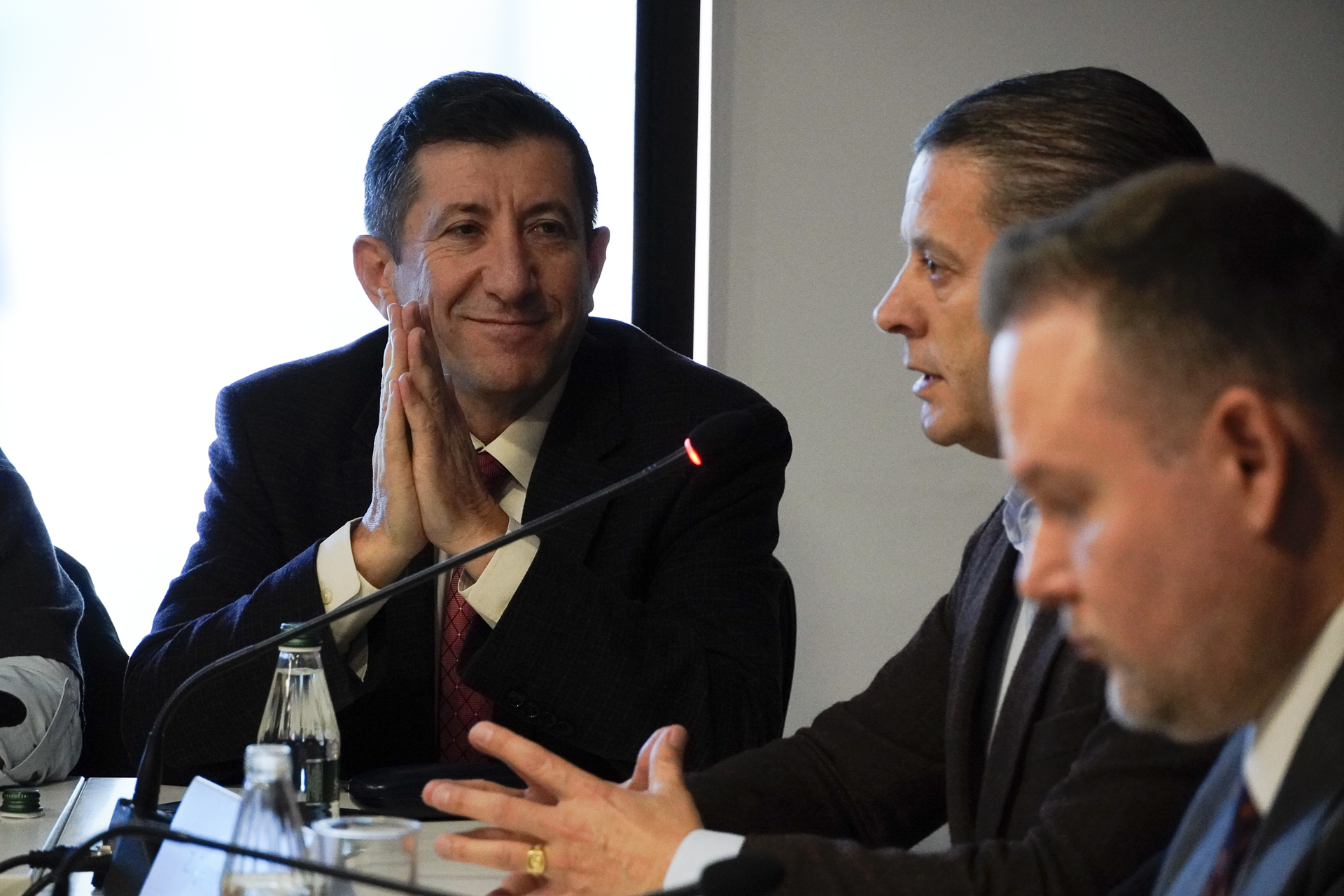
The results of the project were made public at a roundtable attended by the Minister of State for Local Government, Ervin Demo, mayors and deputy mayors of municipalities, international agencies, independent institutions, media and civil society.

The work
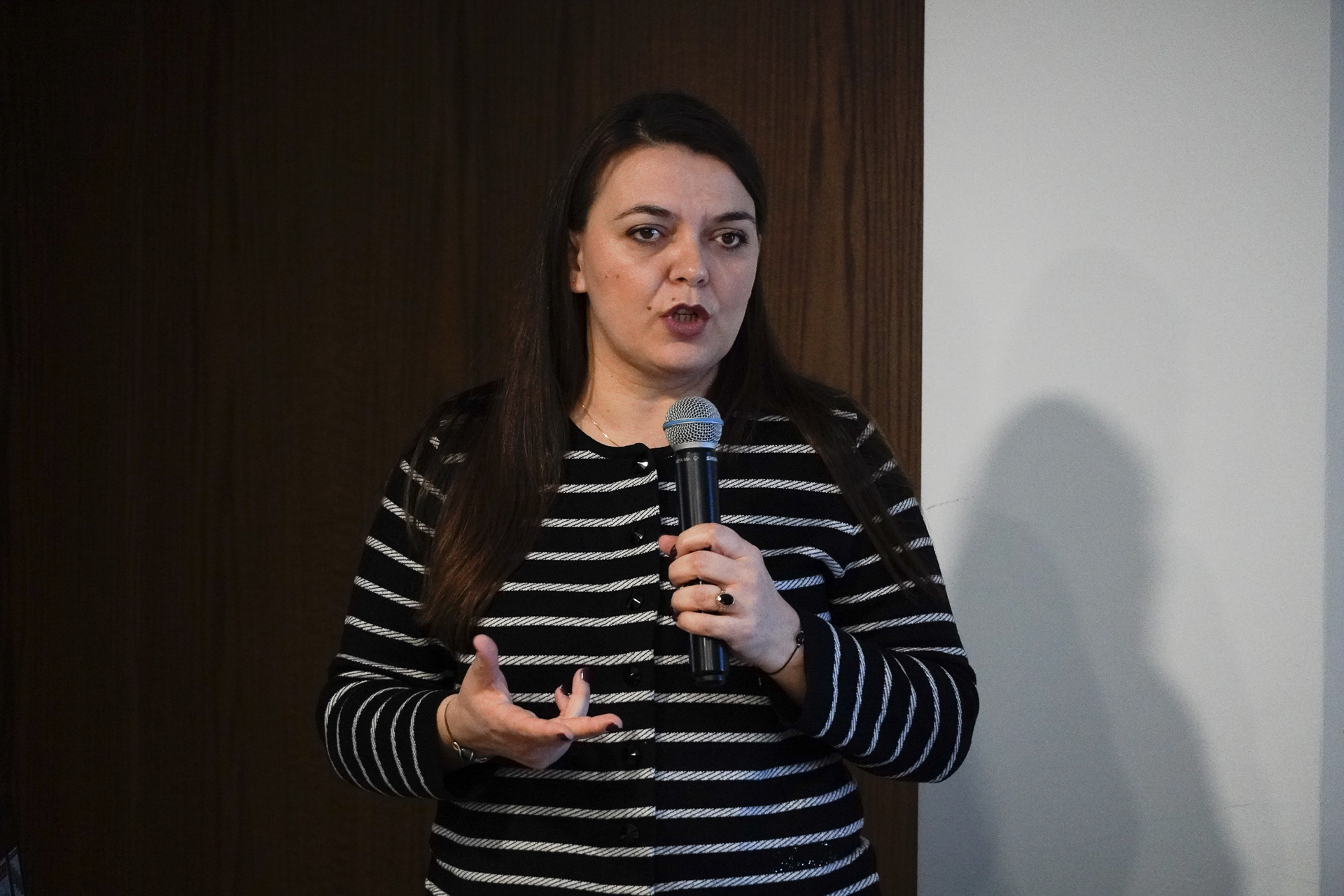
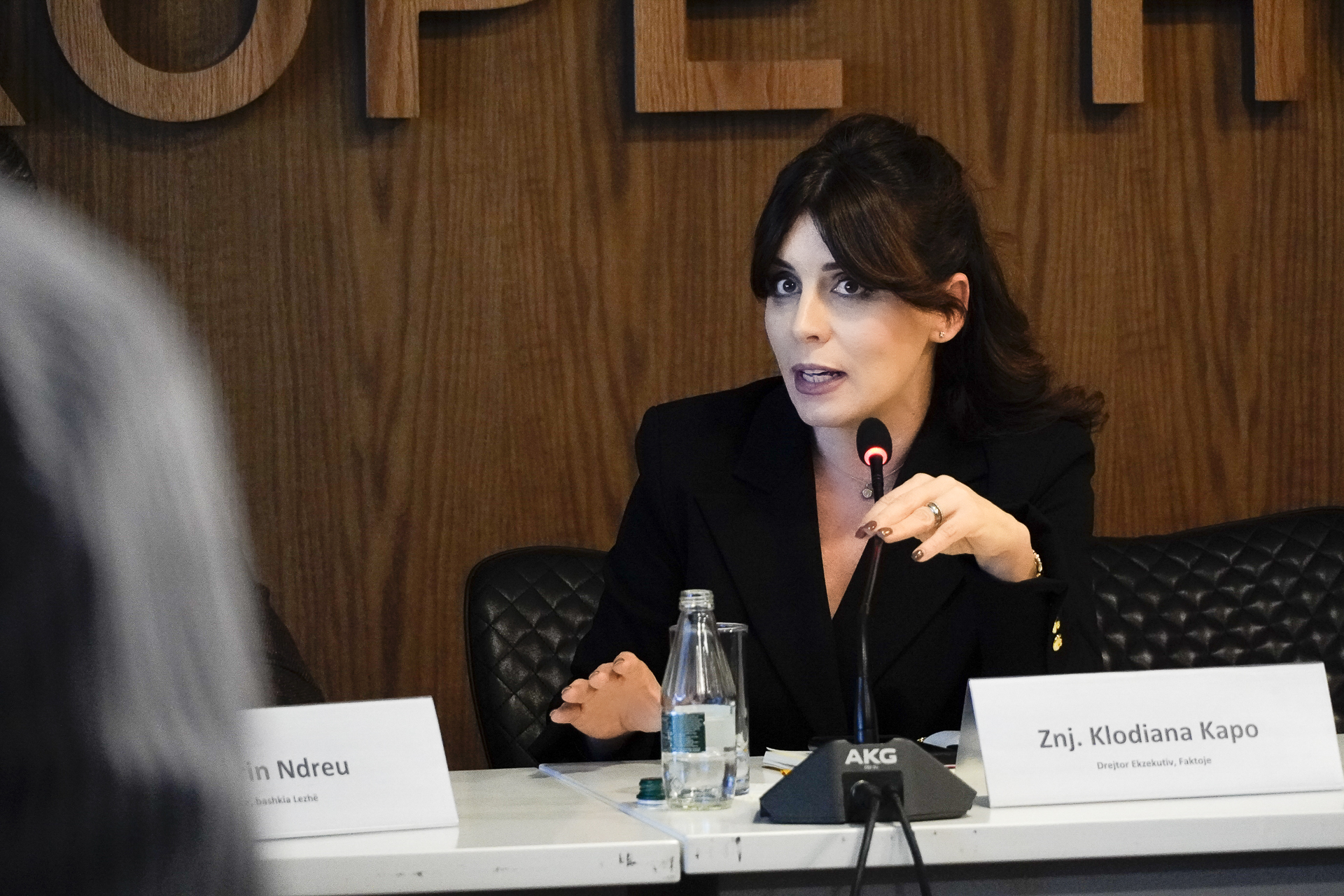
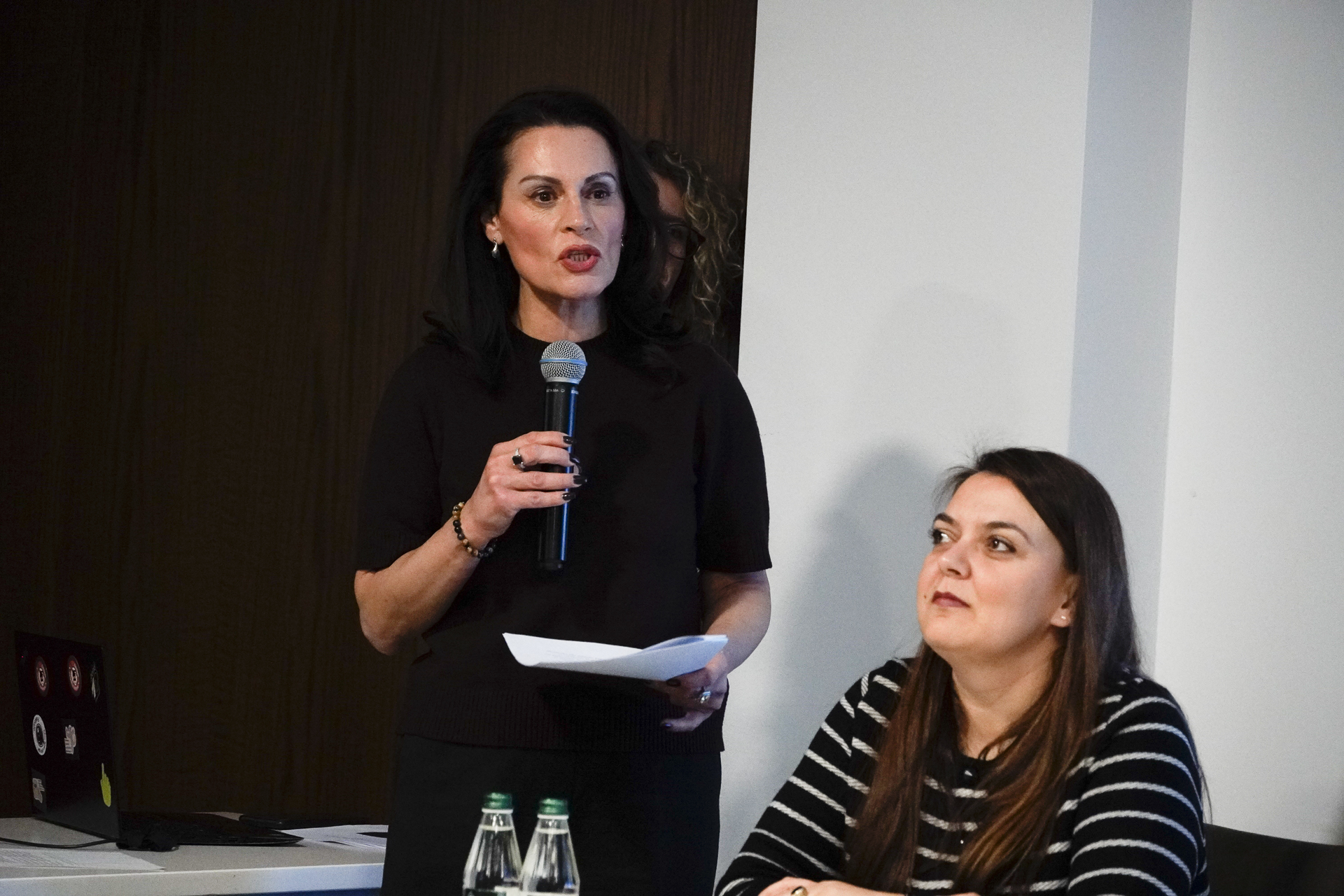
This is the 6th year of monitoring municipalities by Faktoje. Executive Director, Klodiana Kapo said that, “Faktoje, after six years of monitoring municipalities and municipal councils, has placed emphasis on two main areas: implementation of the transparency law and fulfillment of promises.”
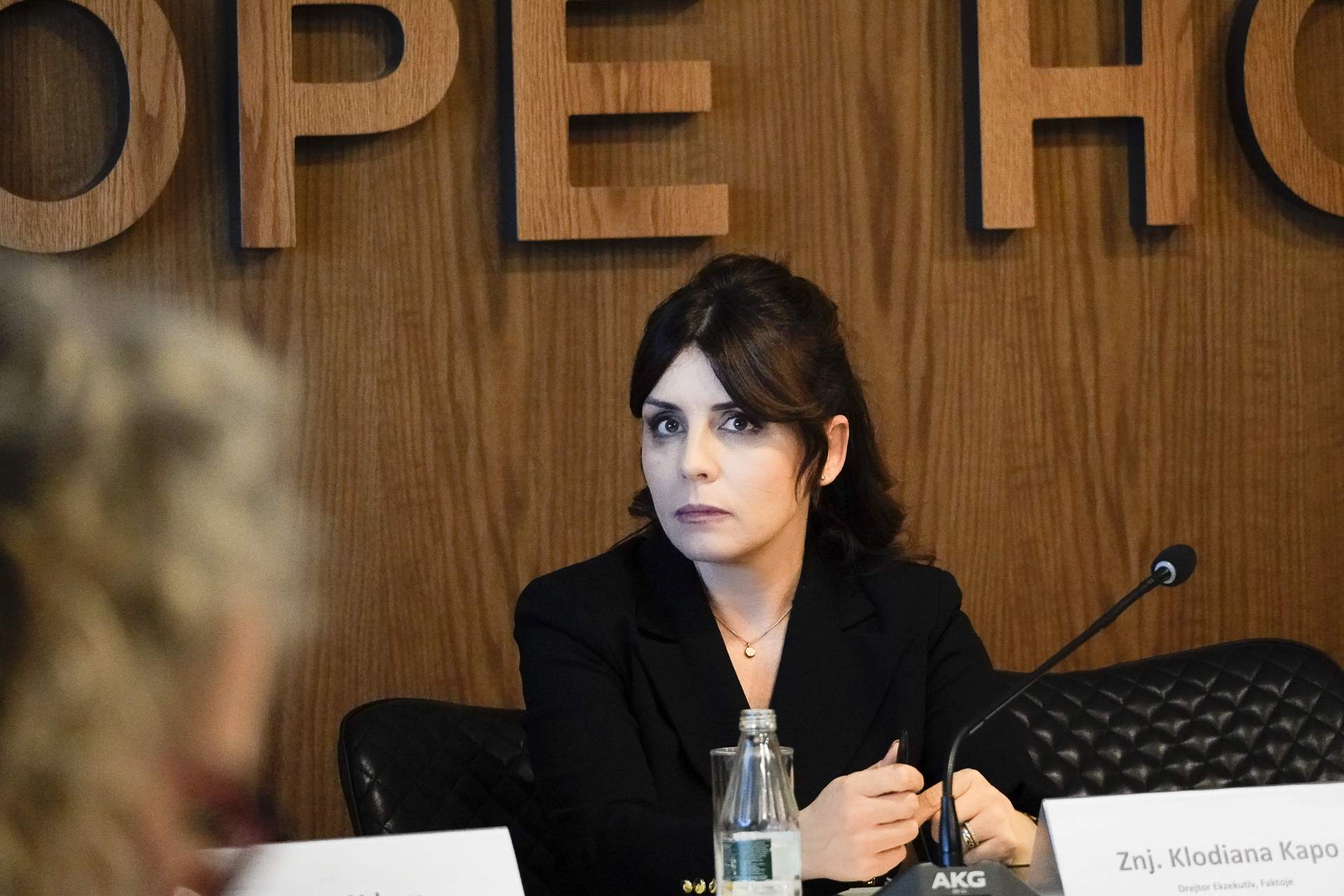
“Transparency has improved, helping to build citizen trust, while fulfilling promises remains a challenge, especially on issues such as drinking water, green spaces, playgrounds, roads, schools and waste management,” she noted.




Promises
The municipalities monitored for 2025 are: Tirana, Elbasan, Durrës, Kavaja, Fieri, Vlora, Korça, Saranda, Lezha and Shkodra.
It turns out that the unfulfilled promises focus mainly on the rehabilitation of secondary roads, the improvement of drainage channels, investments in infrastructure, waste management, social services, and urban transport.
The main causes are related to several years of delays, lack of concrete investments, dependence on external funds, and lack of long-term planning.
Monitoring has identified recycled promises that include: the construction of a ski resort in Korça, the rehabilitation of the center of Libofsha (Fier), the reconstruction of the DS5 buildings (Durrës), the three agricultural collection points in Elbasan, and the establishment of a modern market in Fier.
There are also promises outside the competences of municipalities, such as the construction of the Coastal Road (Kavajë) or the Korça gasification project.

6 years of monitoring
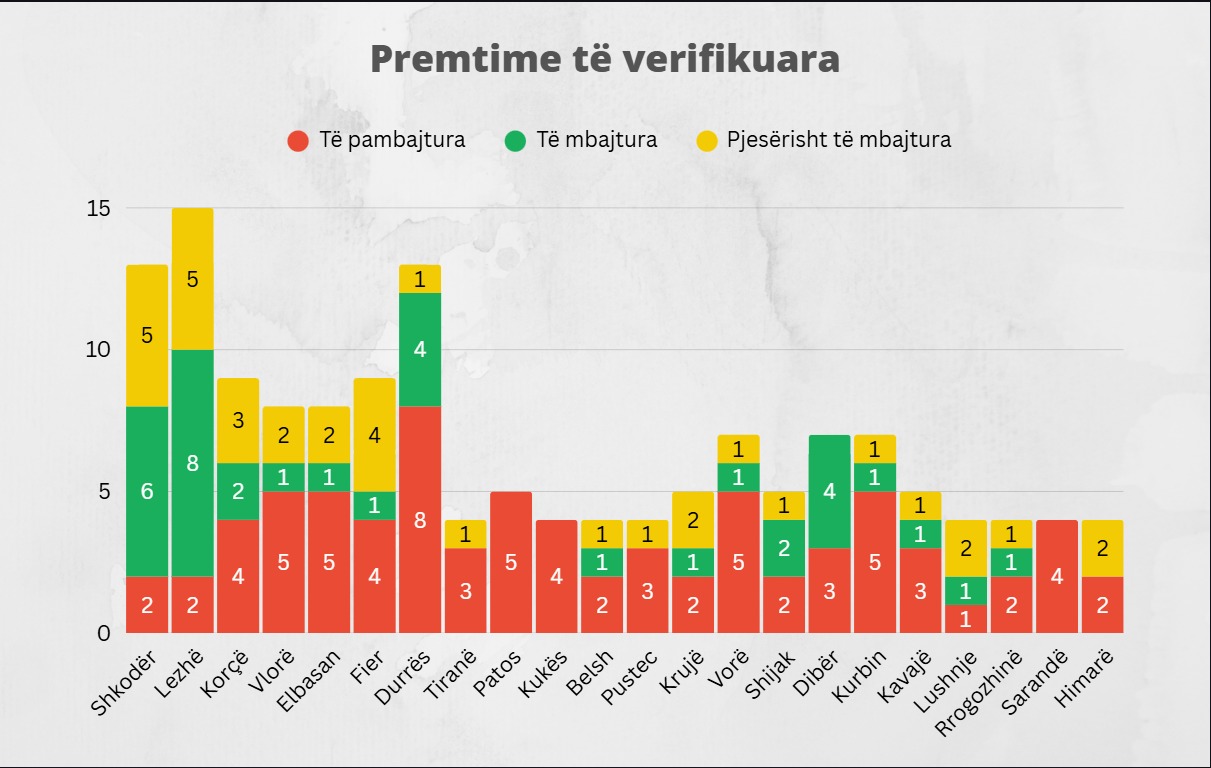
Meanwhile, in six years of monitoring by Faktoje, the promises of 22 municipalities have been verified. The most verified promises belong to the municipalities of Lezhë (15), Shkodër (13) and the same number (13) for Durrës.
Fewer promises belong to the municipalities of Patos, Kukës, Belsh, Pustec, Saranda, Himara, and Tirana.
Lezha has fulfilled 8 monitoring promises over the years (the highest among the monitored municipalities).

“I call the municipality a basket that closes a hole here and drills two more. It’s a daily dynamic and it’s not easy to address things. You’re faced with people’s demands that are not always in accordance with the law, but the pressure also increases with the knowledge you have.”
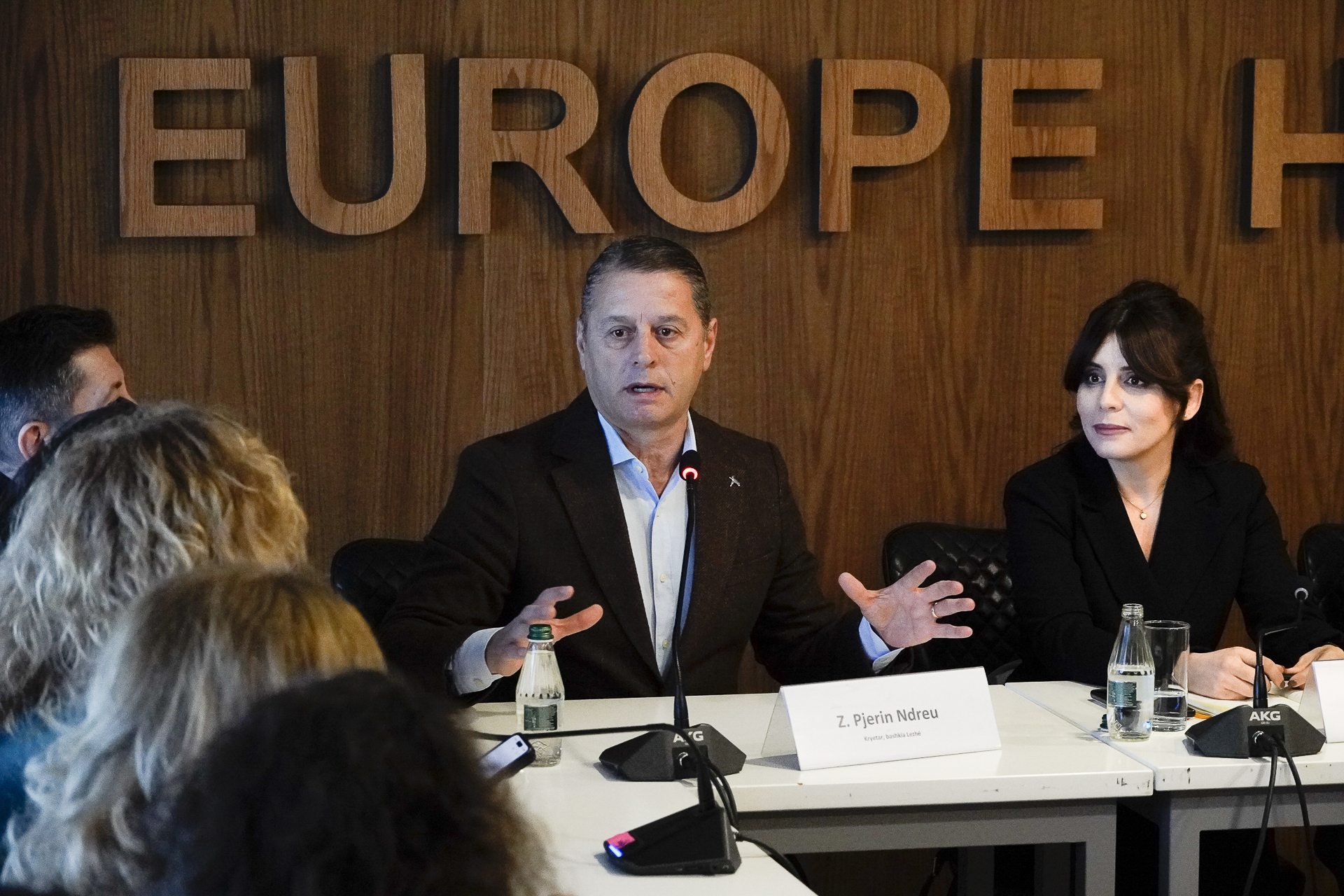
We live in Albania, when the mayor leaves the house there are cousins, friends, family, neighbors, classmates, so it’s a big pressure…”, said the mayor of Lezha, Pjerin Ndreu
Shkodra has meanwhile fulfilled 6 promises within this timeframe.
Bekim Memo from the Municipality of Shkodra said during the roundtable that, “we strive during our work to ensure that what we promise is something achievable and measurable.”
Durrës and Dibra are each ranked with four promises kept over the years.
Durrës has the most unfulfilled promises, with eight of them.
CAUSES
The promises that have not been kept over the years are related to major infrastructure projects, urban requalifications, development investments that require large funds and coordination with the central government and donors. This was also emphasized by the Minister of Local Government, Ervin Demo, based on his experience as the former mayor of Berat.
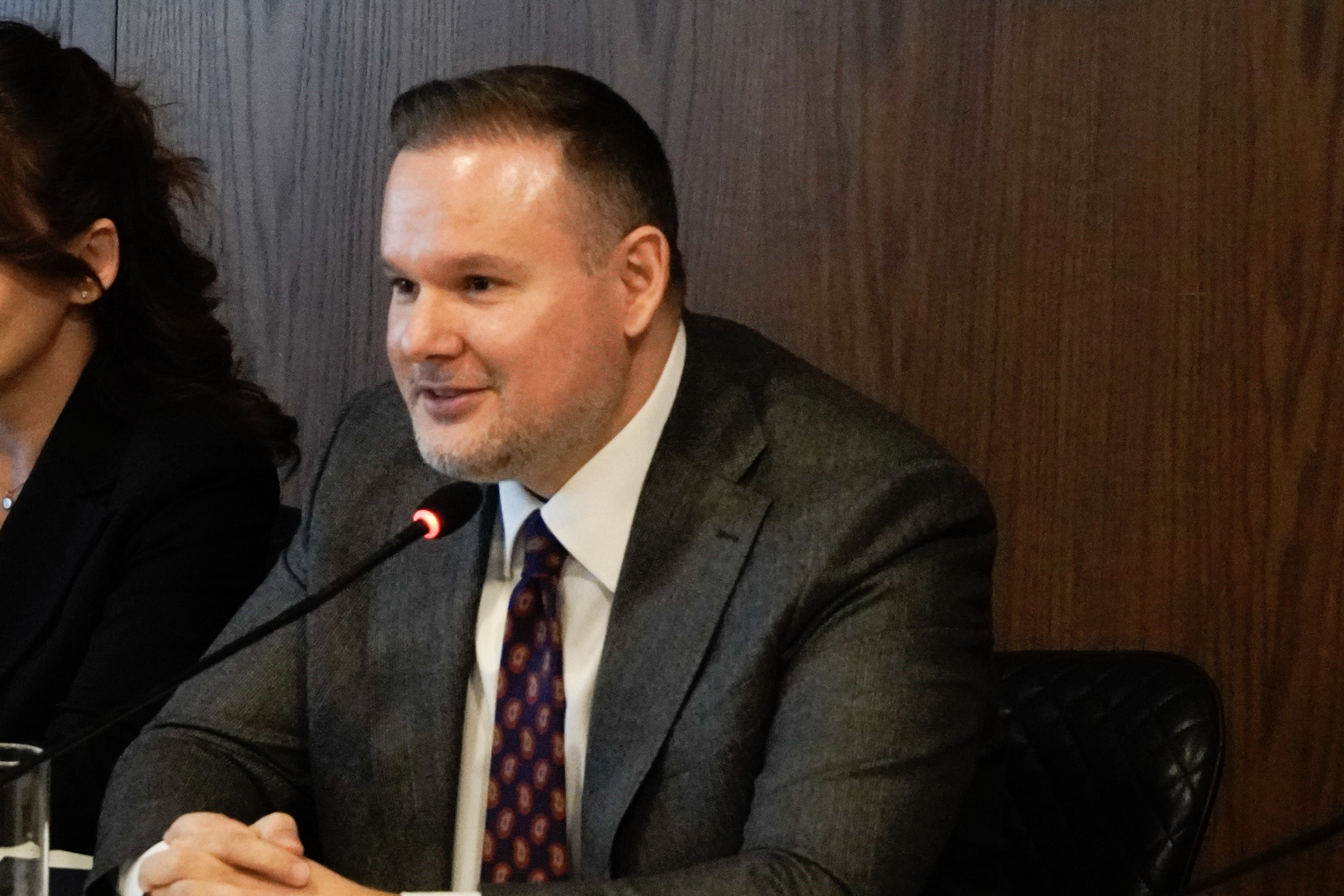
“It could have been a donor, it could have been a partner, it could have been the central government. It’s an amalgam of resources that give you the opportunity to meet the needs of the territory, not just promises, because promises for me are not an end in themselves, but every mayor is there to improve the lives of citizens, and to provide answers to those who are the challenges of the territory…”, he said
The main reasons for not keeping promises during the 6-year monitoring are related to unrealistic planning during the campaign, limited administrative capacities, and dependence on central transfers.
A problem that was also touched upon by the Mayor of Lezha, Pjerin Ndreu. “In our promises, we try to focus on the priorities that different areas within a municipality have. Sometimes we play the role of lobbyists, so we don’t have it in our hands, but we are forced to take it on because we are seen as people who can also lobby the government…”, said Ndreu.

Increasing transparency
Faktoje’s monitoring based on 16 indicators of transparency and public consultation showed the difference between municipalities that have already institutionalized transparency (Shkodra, Lezha, Korça) and those that treat it as a formal obligation.
At the top of the 2025 ranking are Lezha, Shkodra, Korça, Saranda and Durrës with 100%.
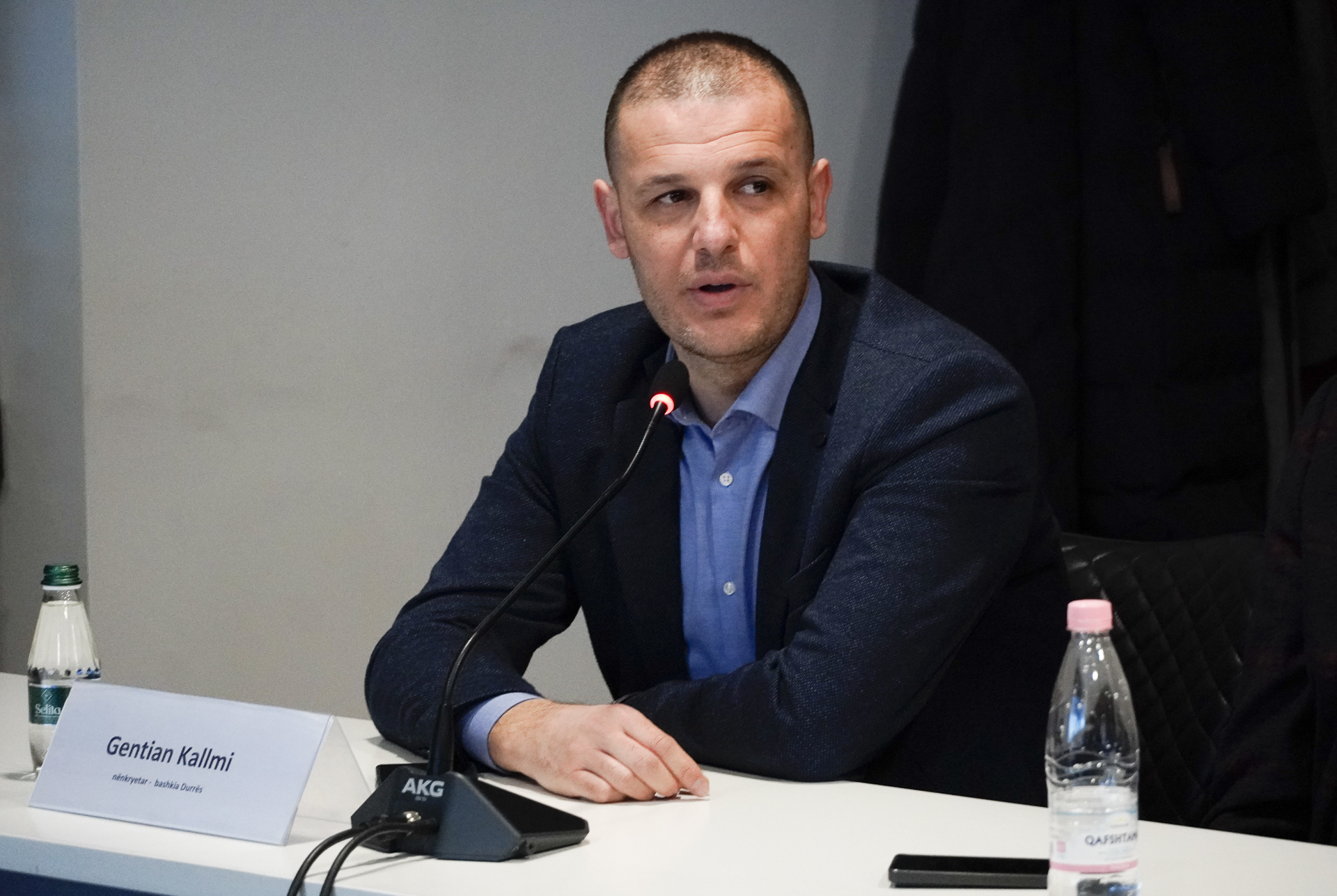
The Deputy Mayor of Durrës Municipality, Gentian Kallmi, assessed that the transparency process for the Durrës Municipality has been a particular challenge.
“This monitoring is a very good mechanism for the purpose of local government. Local democracy, the involvement of citizens, not only through transparent communication, we also have as a challenge their involvement in decision-making to be a municipality as transparent as possible,” he said.
High levels of transparency were also experienced during the monitoring year in Elbasan (93.75%), followed by Tirana and Fier (81.25%).
At the bottom is the Municipality of Kavaja, with problems in publishing budget reports and decision-making documents, but with improvement compared to previous years.
Faktoje’s Impact
An important finding of the report is that municipalities continuously monitored by Faktoje have shown progressive improvement in terms of the transparency component.
Minister Ervin Demo praised the work of Factoja in this regard, conveying a message:
“It is important that municipalities understand day by day that transparency works in their favor. It is difficult at first, but transparency really works for the municipality the moment it returns to a greater level of trust from citizens and of course the work of the mayors and their success is then higher.”
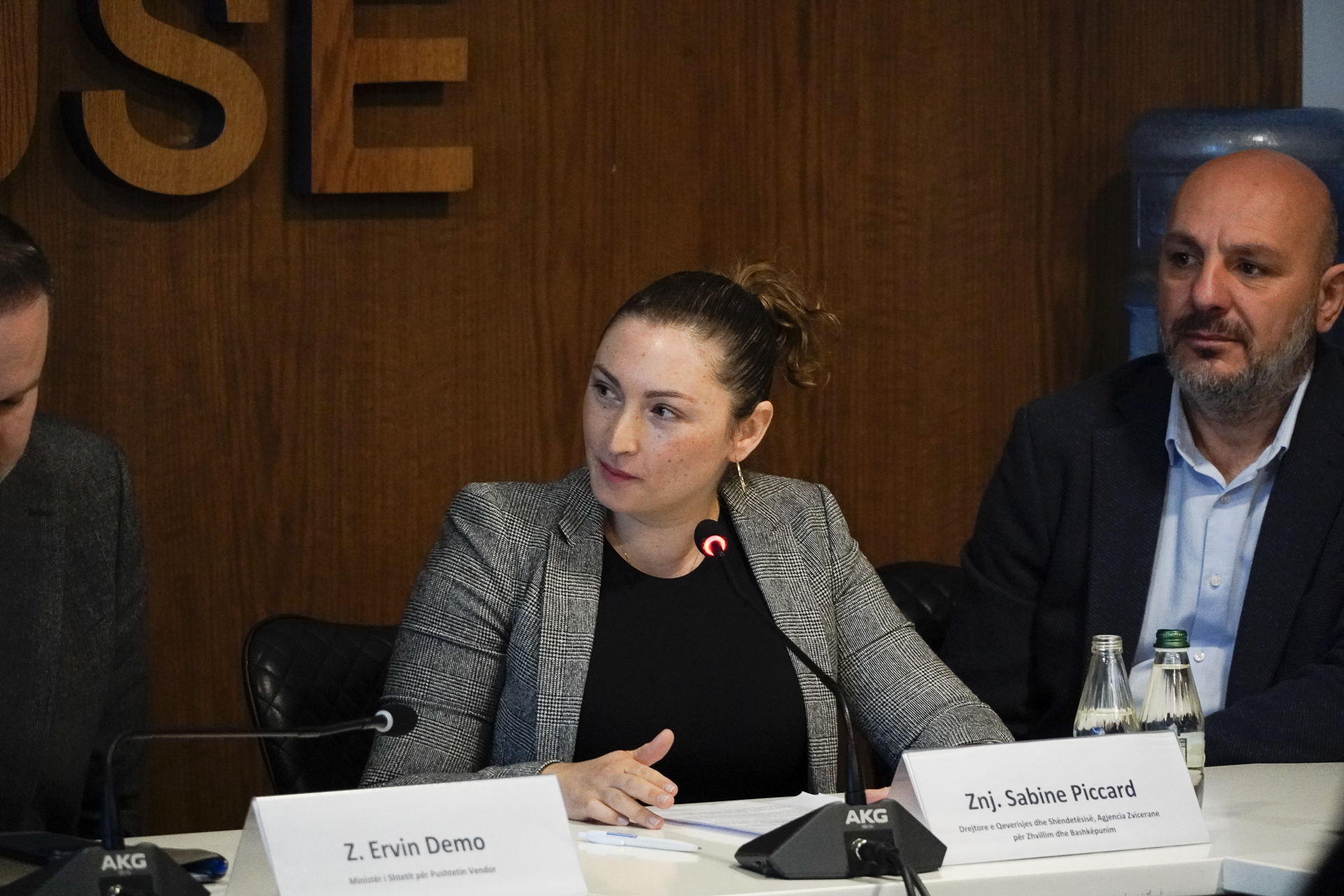
Ms. Sabine Piccard, Director of Governance and Health, Swiss Agency for Development and Cooperation, also said that trust in institutions is not automatic, it is earned.
“Independent monitoring is not about criticism, but about strengthening democracy. By measuring transparency and following up on the implementation of electoral promises, accountability at the local level is only strengthened. From a Swiss perspective, this is essential… Through our new partnership with Faktoje, we are pleased to contribute to strengthening the voice of civil society and supporting democratic values, by assessing what local government is achieving based on its commitments, but also by bringing to the forefront issues that require further follow-up and treatment. ”
Social Fund
Meanwhile, monitoring of the Social Fund (2023–2025) has shown that there is an expansion in territorial coverage and financial support from 33 municipalities in 2023 to 53 in 2025, increasing the number of services and the inclusion of vulnerable groups.